
Finding meaningful ways to keep young children occupied without screens can be challenging, especially during long afternoons at home, weekends, school breaks, or rainy days. At four to six years old, children are naturally curious, active, and imaginative, but they also benefit from activities that provide enough structure to hold their attention.
Screen-free activities do not need to be complicated or expensive. In many cases, simple materials such as paper, crayons, blocks, books, and cardboard can provide hours of creative play.
The goal is not to eliminate screens completely. Instead, it is to create more opportunities for children to experience play, creativity, movement, independence, and connection without relying on a device for entertainment.

Here are ten screen-free activities that are particularly suitable for children ages four to six
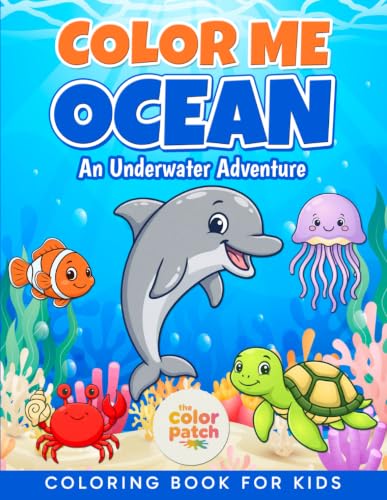
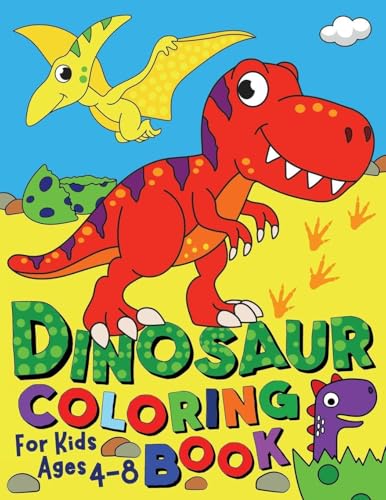
1. Printable Activities and Coloring Books
Printable activities are one of the easiest ways to introduce screen-free play at home. Parents can prepare a small collection of coloring pages, tracing worksheets, mazes, dot-to-dot activities, matching games, counting exercises, and simple puzzles.
Coloring is especially suitable for this age group because it allows children to practice fine motor skills while making their own creative choices. It can also become more engaging when combined with a theme.
For example, a child can color an animal page and then draw a habitat for the animal. A transportation worksheet can lead to a drawing activity about cars, airplanes, or trains.
Having a small folder or binder containing different printable activities can also make it easier to provide children with something to do when they need a quiet activity.
Useful supplies: printable worksheets, coloring books, crayons, colored pencils, washable markers, and drawing paper.

2. Play Dough Creations
Play dough offers children an opportunity to create, manipulate, and experiment using their hands. Unlike activities with a predetermined result, play dough allows children to decide what they want to make.
Children can create animals, food, flowers, people, buildings, or imaginary creatures. Simple tools such as rollers, cutters, and plastic molds can add variety.
Parents can also introduce different themes to encourage imaginative play. A pretend bakery can lead to making cupcakes and bread from play dough, while an animal theme can involve creating an entire collection of animals.
The activity can also develop into pretend play once the creations are finished.
Useful supplies: play dough, play dough tools, cutters, rolling pins, and reusable storage containers.


3. Building Blocks and Construction Sets
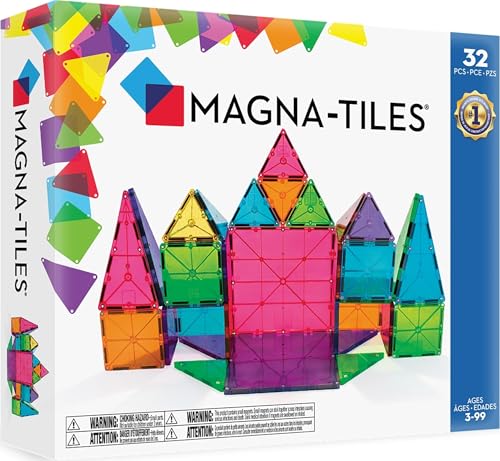
Building activities encourage children to experiment with balance, shape, size, and structure. Blocks, LEGO sets, magnetic tiles, and other construction materials can be used in countless ways. Instead of giving children instructions for exactly what to build, parents can provide simple challenges.
Ideas include:
- Build the tallest tower.
- Build a house for a toy.
- Create a bridge.
- Build a zoo.
- Make a vehicle.
- Build a small city.
- Construct something that can hold three toys.
The open-ended nature of building activities is one of their greatest advantages. There is no single correct result, which gives children freedom to experiment and solve problems independently.
Useful supplies: building blocks, LEGO sets, wooden blocks, magnetic tiles, and construction toys.


4. Age-Appropriate Jigsaw Puzzles
Jigsaw puzzles are excellent quiet-time activities for children between four and six. They encourage concentration, visual recognition, problem-solving, and persistence. The key is choosing a puzzle that matches the child’s current ability. A puzzle that is too difficult may quickly become frustrating, while one that is too easy may not hold their attention.
Children can also be encouraged to develop their own strategies, such as separating edge pieces first or grouping pieces according to color. Completing a puzzle provides children with a clear sense of accomplishment and can encourage them to continue working on challenging tasks.
Useful supplies: age-appropriate jigsaw puzzles, floor puzzles, wooden puzzles, and simple logic puzzles.


5. Indoor Scavenger Hunts
A scavenger hunt transforms an ordinary home environment into an opportunity for exploration. It requires very little preparation and can be adjusted to suit different abilities. A simple scavenger hunt might ask children to find:
- Something red
- Something soft
- Something round
- Something smaller than their hand
- Something that starts with the letter B
- Something they can wear
- Something that makes a sound
For younger children, parents can provide pictures or simple instructions. Older children can follow written lists and check off each item as they find it. Scavenger hunts encourage observation and movement while making use of objects that are already available at home.
Useful supplies: printed scavenger-hunt lists, pencils, baskets, magnifying glasses, and small containers.
6. Making a Homemade Storybook
Creating a personal storybook combines drawing, storytelling, creativity, and early literacy skills. Several sheets of paper can be folded and stapled together to create a simple book. Children can choose the characters, setting, and events. They can draw illustrations for each page and dictate the story to an adult if they are not yet comfortable writing.
The finished book can then be read together. This activity is particularly valuable because the child becomes both the author and illustrator. It gives them an opportunity to express ideas while developing an understanding of how stories are organized. Possible themes include animals going on an adventure, an imaginary family vacation, a superhero story, or a day in the life of a favorite toy.
Useful supplies: paper, crayons, markers, stapler, stickers, and colored pencils.
7. Simple Arts and Crafts
Arts and crafts provide children with opportunities to create something tangible from basic materials. A dedicated craft box can contain inexpensive supplies that can be used for different projects.
Rather than following complicated craft instructions, children can be given a general idea and allowed to decide how to create it. For example, an animal project might involve drawing, cutting, folding, and gluing. A cardboard box might become a house, vehicle, store, or castle. The emphasis should be on the creative process rather than producing a perfect finished product.
Useful supplies: craft paper, child-safe scissors, glue sticks, stickers, washable markers, construction paper, and recycled cardboard.
8. Pretend Play
Pretend play is particularly important during the preschool and early elementary years because it allows children to recreate familiar experiences and develop imaginary worlds. A living room can become a restaurant, grocery store, doctor’s office, classroom, airport, or campsite. Children can use everyday objects as props. A notebook can become a menu, a cardboard box can become a cash register, and stuffed animals can become customers or patients.
Pretend play can also encourage language development, social skills, creativity, and problem-solving. Children practice communicating, taking different roles, and creating their own rules. Parents do not always need to direct the activity. Providing a few props and allowing children to develop their own scenarios can encourage greater independence.
Useful supplies: pretend-play sets, costumes, stuffed animals, toy kitchen accessories, doctor’s kits, and cardboard boxes.
9. Indoor Obstacle Courses
Children between four and six generally need plenty of opportunities for movement. An indoor obstacle course can turn ordinary household items into a simple physical activity. Pillows, cushions, chairs, boxes, and floor tape can be arranged to create different stations. Children can crawl under a chair, step over a pillow, walk along a taped line, jump between markers, or throw a soft ball into a basket.
The course can be changed regularly to keep it interesting. It can also be made easier or more challenging depending on the child’s abilities. Safety should always come first. The activity area should be free from sharp objects, unstable furniture, slippery surfaces, and other potential hazards.
Useful supplies: floor markers, cones, soft balls, cushions, hoops, and painter’s tape.
10. Reading and Interactive Story Time
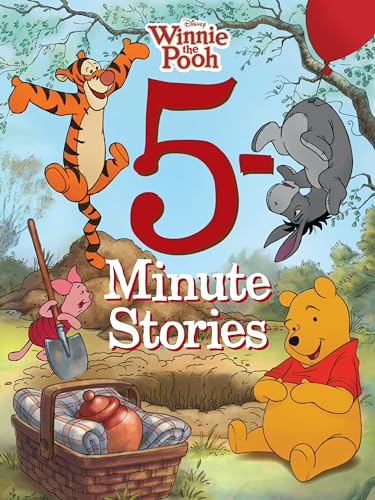
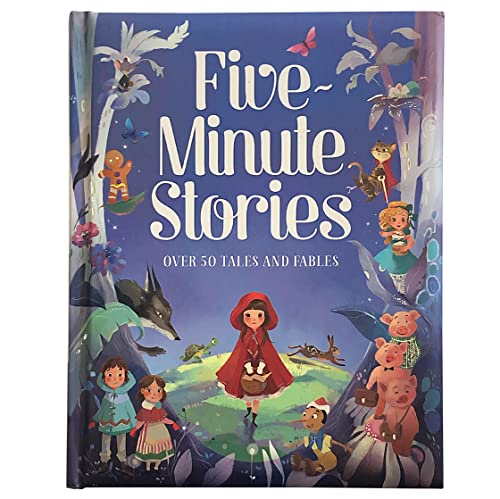
Books remain one of the simplest and most valuable screen-free activities for young children.
For four- to six-year-olds, reading can be made more interactive by discussing the illustrations, predicting what might happen next, identifying characters, and encouraging children to retell parts of the story. Children can also act out scenes from their favorite books or create alternative endings. Picture books can become starting points for drawing activities, crafts, or pretend play.
A consistent reading routine can also help establish a natural screen-free period, particularly before bedtime. A small collection of age-appropriate books that children can easily access gives them the opportunity to choose what they want to read or look through independently.
Useful supplies: picture books, early readers, story collections, children’s magazines, and reading cushions.

Screen-Free Play Does Not Have to Be Complicated
The most effective screen-free activities are not necessarily the most expensive or elaborate. Young children can find plenty of opportunities for play using ordinary materials already available at home. A box of building blocks can become a city. A piece of cardboard can become a spaceship. A few sheets of paper can become a book. A pile of cushions can become an obstacle course.
What matters is giving children opportunities to create rather than consume.
At four to six years old, children are developing independence, imagination, coordination, language, and problem-solving skills. Activities that allow them to make decisions, experiment, move, and create provide experiences that passive entertainment cannot fully replace. Screens can certainly have a place in childhood. The goal is not to remove them entirely but to make sure they are not the default answer whenever a child is bored.
A home filled with simple opportunities for reading, creating, building, moving, and pretending can give children something equally important: the chance to discover that they can have fun without a screen. Sometimes, the best screen-free activity is simply giving a child the materials, time, and freedom to figure out what to do with them.